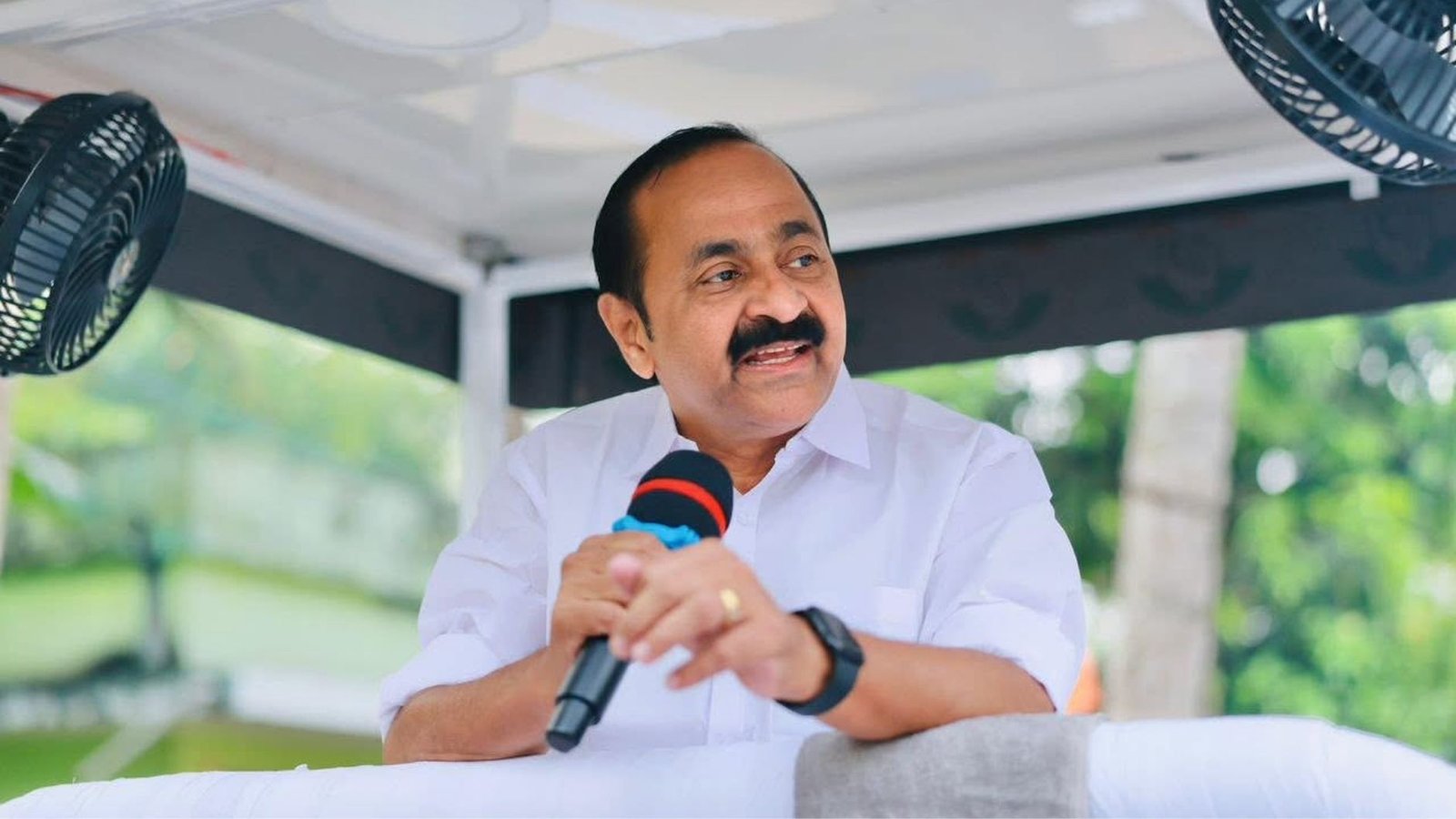
Can we bracket Congress leader V D Satheesan as a youth? For many reasons, the answer is yes, because this 61-year-old legislator from North Paravoor has consistently been able to relate to the youth in Kerala much better than many veteran political leaders.
It is a fact that Kerala’s political landscape appears to be entering a new phase with V D Satheesan taking charge as Chief Minister and the state’s youth placing considerable hope in his leadership. Across campuses, startup circles, and social media discussions, young Malayalis are expressing cautious optimism that the new administration could bring a more modern and opportunity-driven approach to governance. They expect a radical change from the mundane and archaic style of governance they have witnessed over the last several decades.
For years, Kerala’s educated youth have faced a difficult reality — unemployment, limited industrial growth, and an increasing dependence on migration to other Indian cities and Gulf countries for better career prospects. Moreover, the unaccountability and lethargy of government employees and departments have made youngsters feel disconnected from the state. Satheesan’s selection to the post of Chief Minister has generated expectations that these long-standing concerns may finally receive focused attention.
Political observers say the youth’s confidence in Satheesan comes from his public image as a leader who speaks directly about governance reforms, transparency, and economic modernization. During his years in opposition politics, he often projected himself as accessible to young voters and vocal about issues such as corruption, environmental protection, and administrative efficiency. Many students and first-time voters believe this image distinguishes him from traditional political leadership styles.
Another reason for the growing support is his emphasis on technology, entrepreneurship, and investment-friendly policies. Kerala’s startup ecosystem has expanded steadily in recent years, but young entrepreneurs have often complained about bureaucratic delays and the lack of large-scale support. Satheesan’s promises to improve the ease of doing business and attract private investment have resonated strongly with aspiring professionals and startup founders.
Social media has also played a major role in shaping his popularity among younger demographics. Clips of his speeches, interviews, and debates frequently circulate online, portraying him as articulate, calm, and reform-oriented. In a state where political awareness is deeply rooted, communication style matters significantly, especially among digitally connected voters.
However, expectations remain extremely high. Youth groups are now looking beyond speeches and campaign promises. Employment generation, improved urban infrastructure, and better public transport are among the immediate concerns they expect the new government to address. They also look forward to a radical change in the way the ministers in Satheesan’s cabinet function and how accessible they make themselves to the general public while addressing grievances and concerns.
Whether Satheesan can convert optimism into measurable progress will become clear in the coming days. But for now, Kerala’s youth appear ready to give the new Chief Minister an opportunity to redefine the state’s future and restore confidence in its economic potential.