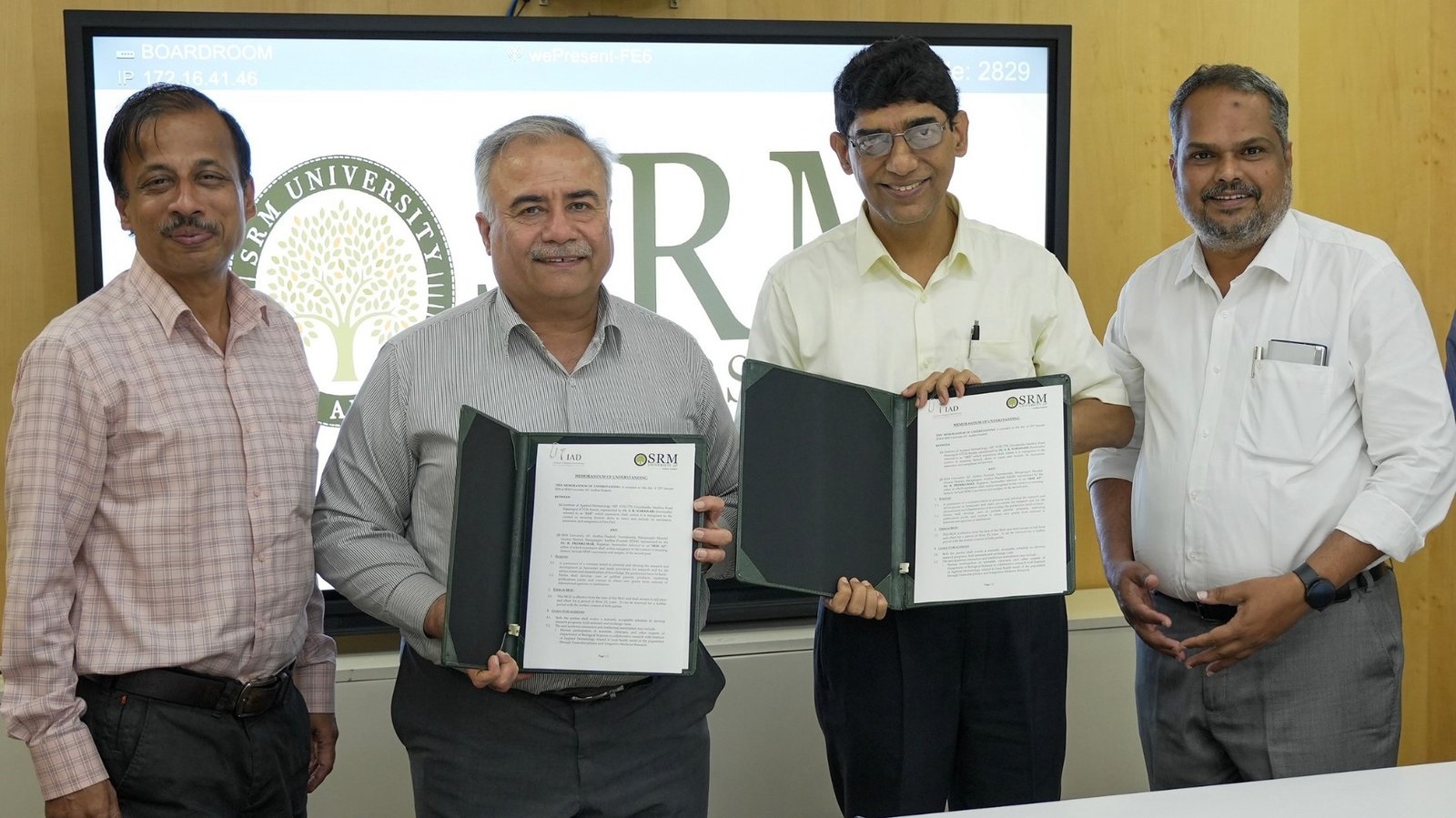
Kerala-based Institute of Applied Dermatology (IAD) has launched research to uncover the biological mechanisms behind the reversal of lymphoedema caused by lymphatic filariasis in partnership with SRM University, Andhra Pradesh & Coburg University of Applied Sciences, Germany.
The research will investigate how Integrative Medicine (IM) treatment influences molecular pathways associated with tissue swelling, fibrosis and disease progression.
The research focuses on patients with lymphatic filariasis-associated lymphoedema across different disease stages, classified according to International Society of Lymphology criteria. Participants with advanced Stage 3 lymphoedema will undergo a standardized 14-day Integrative Medicine intervention, followed by detailed clinical and molecular assessments to evaluate treatment-related changes.
Using advanced technologies, including proteomics, bioelectrical impedance analysis, Indo Cyanine Lymphography etc the researchers hope to generate the first comprehensive longitudinal molecular profile of lymphoedema reversal following Integrative Medicine treatment. The project will also examine extracellular matrix remodeling and collagen turnover, processes believed to play a central role in the development and potential reversal of chronic lymphatic damage.
“We have been successfully treating lymphedema patients using integrative medicine which we have developed after years of research. Our surgery free treatment has treated over 10,000 patients since 1999. The present research is aimed at offering new insights into how lymphoedema develops and responds to our treatment. This study represents an important step towards understanding not only whether lymphoedema improves with treatment, but why it improves at a molecular level,” said IAD founder director Dr S R Narahari.
“By combining patient-centered clinical outcomes with state-of-the-art molecular profiling, we hope to identify biological pathways that drive recovery and discover biomarkers that can help guide future treatment strategies,” Prof Jayaseelan Murugeyan of ARM-AP, Managalagiri added.
The research addresses a major gap in lymphoedema research by linking observed clinical improvements with underlying biological mechanisms. The results could pave the way for evidence-based therapeutic monitoring, precision medicine approaches and improved management of chronic lymphatic diseases in endemic regions.